Historic Pub Beaconsfield
This pub sits on a site that’s been serving travellers for nearly a thousand years, with the current building dating from 1663. That long history shows in its architecture—this isn’t a polished, uniform structure, but a characterful, slightly uneven building that’s grown and changed over centuries.
From the outside, it has all the hallmarks of a classic English pub: whitewashed walls, dark timber framing, and a traditional tiled roof. The shape is irregular and full of quirks, which makes it feel authentic rather than staged—ideal for filming anything historical or atmospheric.
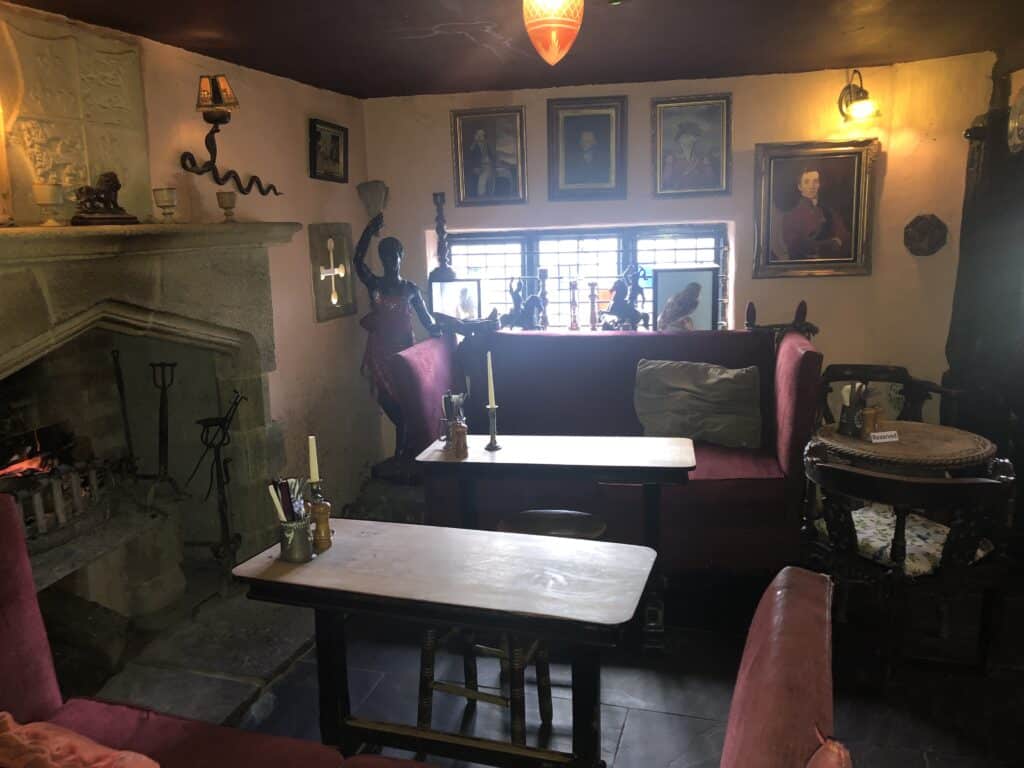
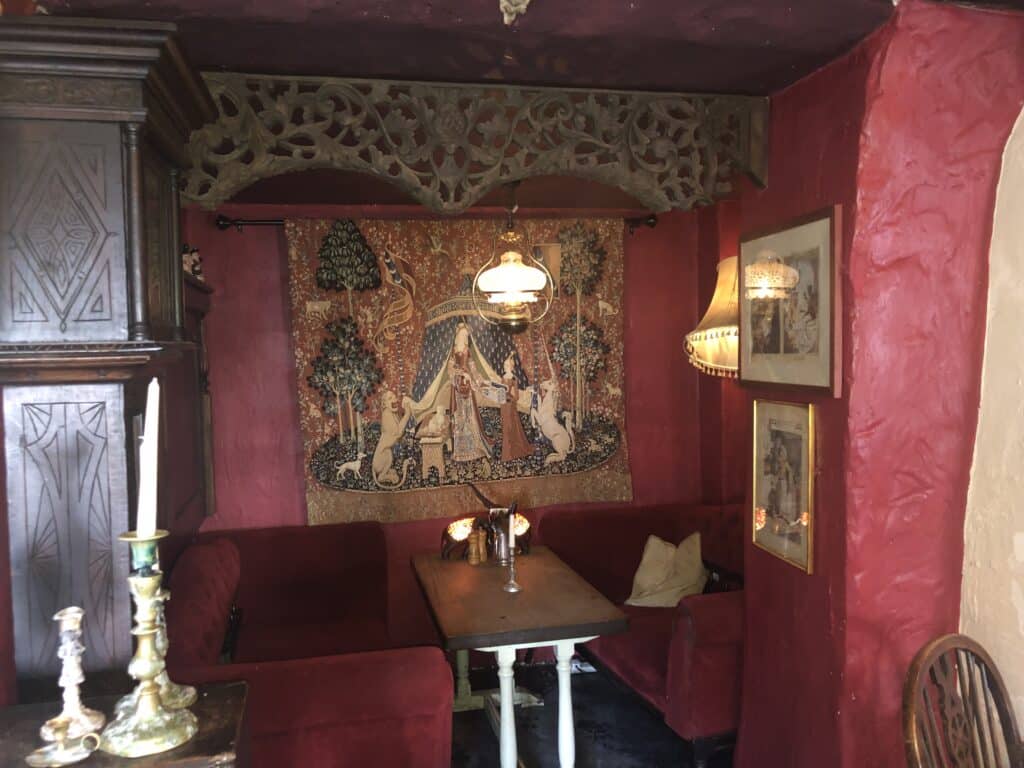
Inside, the layout is made up of smaller, interconnected rooms rather than one big open space. Low ceilings, exposed wooden beams, and aged floors give it a cosy but timeworn feel. Features like inglenook fireplaces and leaded windows help create natural focal points, while the way light filters through adds depth and texture on camera. The slightly cramped doorways and winding passages also make it a visually interesting space to shoot in, offering lots of options for framing and movement.
Historically, the pub was used by drovers moving livestock through the area, adding another layer of realism for period storytelling. It also has strong royal links, with connections to Harold II—of Battle of Hastings fame—and later to Charles II.
There’s even a touch of folklore: stories persist of a ghostly drummer boy said to date back to the English Civil War. Whether taken seriously or not, it adds an extra layer of atmosphere that could easily be worked into a production.
A ready-made historic setting with plenty of visual character. Its mix of architectural detail, layered history, and slightly mysterious edge makes it especially well suited for period drama, documentary work, or any project looking for an authentic and evocative location.